
English
High-performance aluminum oxide ceramic materials engineered for excellent hardness, wear resistance, thermal stability, chemical resistance and electrical insulation. Available in 95%, 99% and high-purity 99.7% alumina grades.

Alumina ceramic, also known as aluminum oxide ceramic, is an advanced engineering ceramic primarily composed of aluminum oxide (Al₂O₃). It is one of the most widely used materials among oxide ceramics.
Alumina ceramics offer excellent material characteristics, including high hardness, high wear resistance, high mechanical strength, outstanding thermal stability, oxidation resistance, chemical resistance and electrical insulation properties.
High-purity alumina ceramic is an important engineering material that can replace conventional plastics, metals and other materials in demanding industrial environments.
Alumina ceramics combine excellent mechanical, thermal, chemical and electrical properties to meet the requirements of demanding industrial applications.
Excellent hardness provides outstanding resistance to scratching, abrasion and surface damage.
Excellent resistance to friction and mechanical wear helps extend component service life.
Maintains structural integrity and mechanical performance in high-temperature environments.
High electrical resistivity and dielectric strength make alumina suitable for insulating components.
Good resistance to many chemical environments, acids and alkalis under appropriate conditions.
High compressive strength and stiffness support reliable performance in precision components.
Different alumina purity grades offer different mechanical, thermal and electrical characteristics. Select the right material according to your application requirements.
Standard alumina ceramic for general industrial, wear-resistant and electrical insulation applications.
High-purity alumina for demanding mechanical, thermal and electrical applications.
High-purity microcrystalline alumina designed for precision and demanding industrial applications.
We manufacture a wide range of precision ceramic components for industrial, electronic and high-temperature applications, with customized shapes and dimensions available.
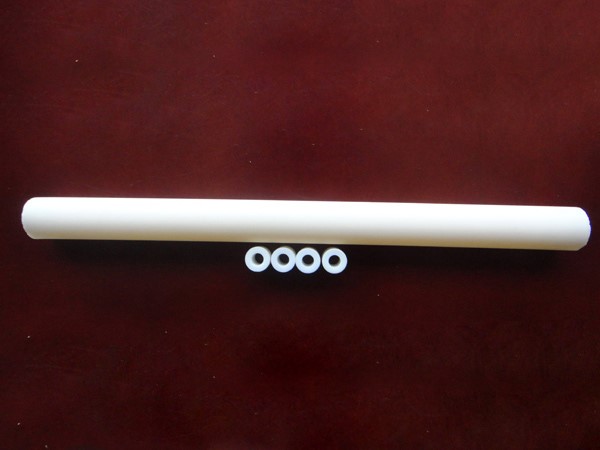
High-temperature ceramic tubes for electrical insulation, thermal protection and industrial applications.
Learn More →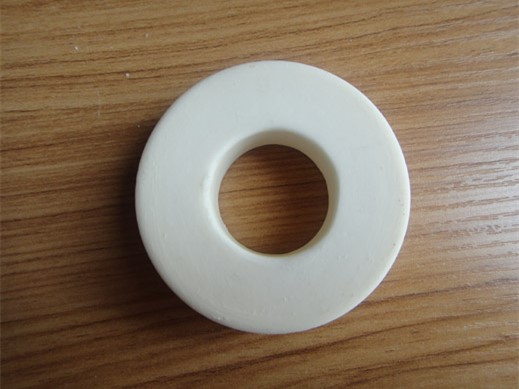
Wear-resistant ceramic sealing components offering excellent hardness and chemical stability.
Learn More →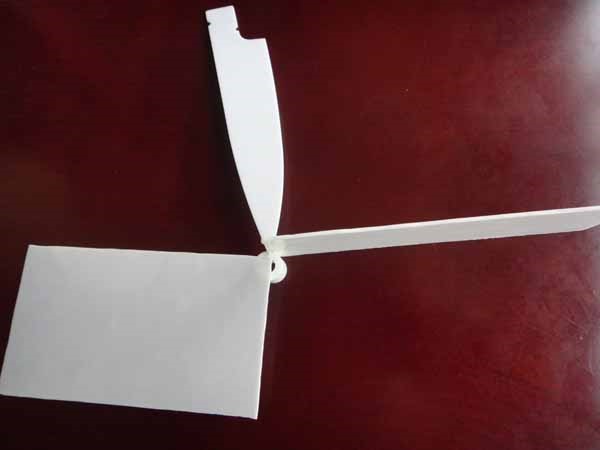
Precision electronic ceramic components with excellent electrical insulation and dimensional stability.
Learn More →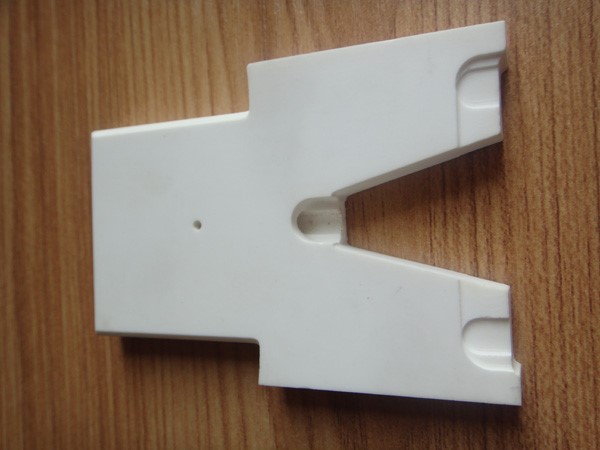
High-strength structural ceramic components for mechanical systems and precision industrial equipment.
Learn More →Typical engineering properties of 95%, 99% and 99.7% alumina ceramic materials.
| Properties | Unit | 95% Al₂O₃ | 99% Al₂O₃ | 99.7% Al₂O₃ |
|---|---|---|---|---|
| Color | - | Ivory | Light Yellow | White / Ivory |
| Density | g/cm³ | 3.6 | 3.8 | 3.9 |
| Bending Strength | MPa | 300 | 310 | 360 |
| Compressive Strength | MPa | 2,300 | 2,200 | 3,900 |
| Elastic Modulus | GPa | 320 | 340 | 390 |
| Fracture Toughness | MPa·m¹/² | 3–4 | 3–4 | 5.2* |
| Weber Coefficient | m | 12 | 12 | 12 |
| Vickers Hardness | HV 0.5 | 1,400 | 1,600 | 2,000 |
| Thermal Expansion Coefficient | 10⁻⁶ K⁻¹ | 7–8 | 7–8 | 5.5–8.4 |
| Thermal Conductivity | W/mK | 20 | 29 | 28 |
| Thermal Shock Resistance | ΔT °C | 250 | 200 | 280 |
| Maximum Working Temperature | °C | 1,500 | 1,600 | 1,700 |
| Properties | Unit | 95% Al₂O₃ | 99% Al₂O₃ | 99.7% Al₂O₃ |
|---|---|---|---|---|
| Volume Resistance at 20°C | Ω·cm | >10¹⁴ | >10¹⁴ | >10¹⁵ |
| Dielectric Strength | V/m or kV/mm | 15×10⁶ | 15×10⁶ | 30 kV/mm |
| Dielectric Constant | εr | 9 | 10 | 10 |
| Dielectric Loss Angle at 1 MHz | tanδ | 0.0004 | 0.0002 | 0.0005 |
| Test Conditions | 95% Al₂O₃ | 99% Al₂O₃ |
|---|---|---|
| Nitric Acid (60%), 90°C | 0.1 | 0.1 |
| Sulphuric Acid (95%), 95°C | 0.3 | 0.34 |
| Caustic Soda (30%), 80°C | 0.9 | 0.95 |
Note: Chemical test results are expressed as weight loss (mg/cm²/day). The referenced source does not provide corresponding chemical values for 99.7% alumina. All engineering data are representative. Actual properties may vary depending on manufacturing methods, dimensions, shape and test conditions. Please confirm specifications before engineering use.
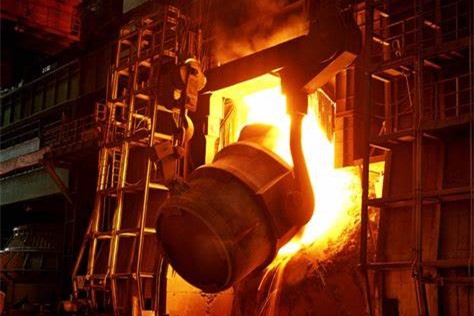
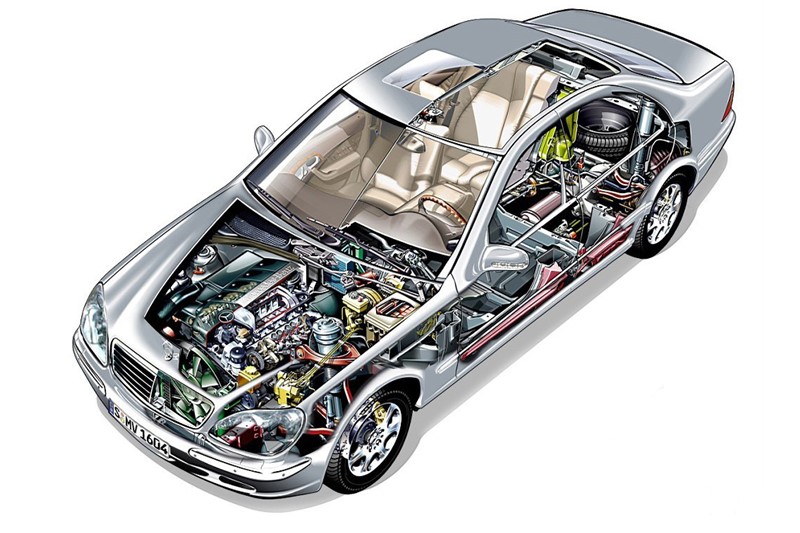
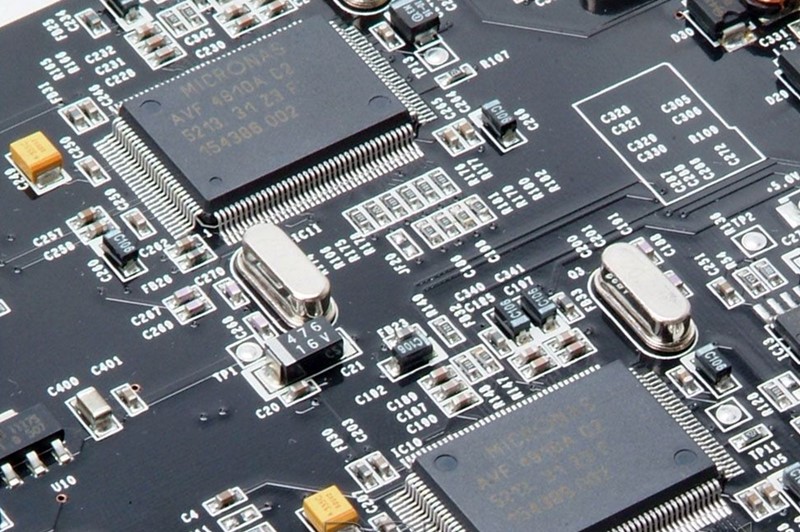
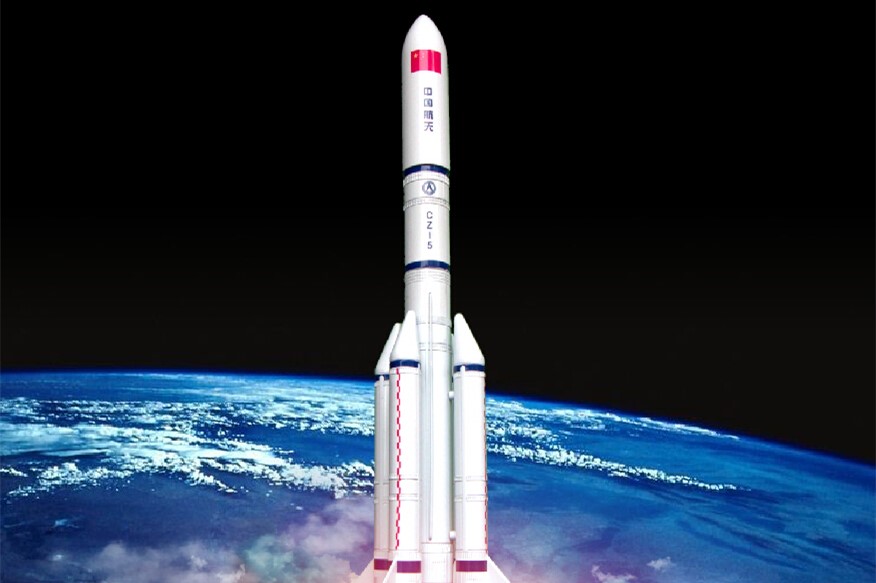
Alumina ceramic components are widely used across various industries due to their excellent hardness, wear resistance, thermal stability and electrical insulation properties.


A controlled production process helps ensure consistent material properties, dimensional accuracy and product quality.
Raw material selection and powder processing.
Pressing, molding and ceramic shaping.
High-temperature densification and firing.
Grinding, polishing and dimensional machining.
Dimensional and material quality verification.
From material selection to precision machining, we provide ceramic component solutions for a wide range of industrial applications.
Different alumina purity grades to meet application-specific requirements.
Customized ceramic geometries and dimensions based on technical drawings.
Grinding and finishing processes for precision ceramic components.
Material and dimensional inspection to support product consistency.
Learn more about alumina ceramic materials and their applications.