
English
High-performance aluminum nitride ceramic materials engineered for excellent thermal conductivity, electrical insulation, low thermal expansion and chemical stability. Ideal for electronic packaging, semiconductor equipment and high-power thermal management applications.
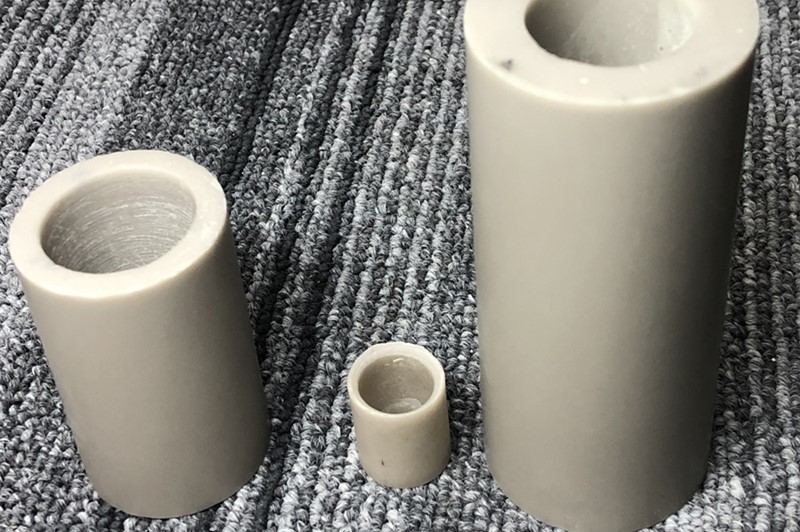
Aluminum nitride ceramic, also known as AlN ceramic, is an advanced non-oxide engineering ceramic composed of aluminum and nitrogen. It is a synthetically produced material that does not naturally occur in nature.
Aluminum nitride ceramics offer excellent material characteristics, including high thermal conductivity, high electrical resistivity, low dielectric loss, good thermal stability and a thermal expansion coefficient close to that of silicon.
Due to its combination of thermal and electrical properties, aluminum nitride is an important engineering material for high-power electronic devices, semiconductor packaging and precision industrial components.
Aluminum nitride ceramics combine excellent thermal, electrical and mechanical properties to meet the requirements of demanding electronic and industrial applications.
Excellent thermal conductivity enables efficient heat dissipation in high-power electronic devices and semiconductor components.
High electrical resistivity and good dielectric properties make AlN suitable for insulating substrates and electronic packaging.
Maintains useful thermal and mechanical properties under demanding operating conditions.
Its thermal expansion coefficient is close to that of silicon, helping reduce thermal stress in electronic assemblies.
Offers resistance to many molten metals, molten salts and high-temperature chemical environments, depending on service conditions.
Low dielectric loss and a relatively low dielectric constant support its use in electronic and high-frequency applications.
Different aluminum nitride grades offer different thermal conductivity and material characteristics. Select the appropriate material according to your application requirements.
A standard thermal management grade for electronic insulation and heat dissipation applications.
A higher thermal conductivity grade for applications requiring enhanced heat transfer performance.
Aluminum nitride material and component requirements can be evaluated according to thermal, electrical and dimensional specifications.
Aluminum nitride is used in thermal management, electronic insulation and precision industrial components. Product design and material suitability depend on the specific application.
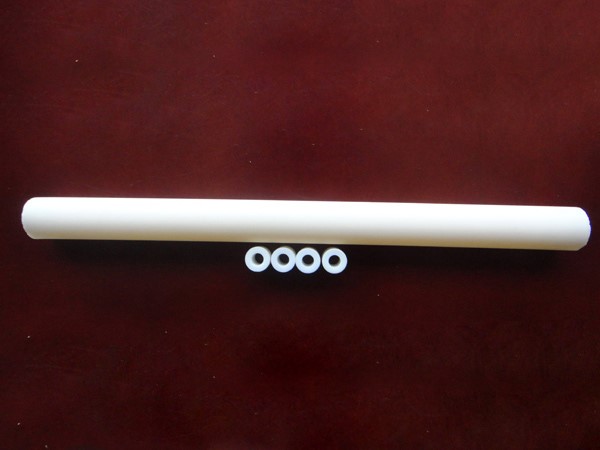
Ceramic tubes for electrical insulation, thermal protection and industrial applications.
Learn More →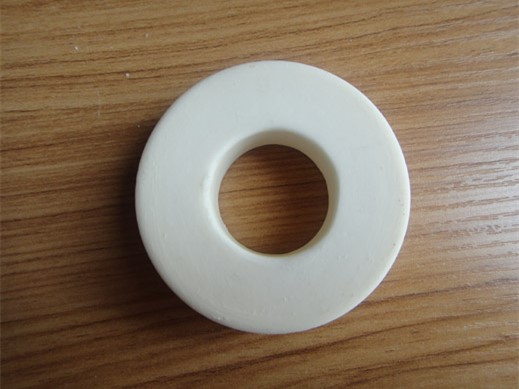
Precision ceramic sealing components for industrial equipment and demanding operating environments.
Learn More →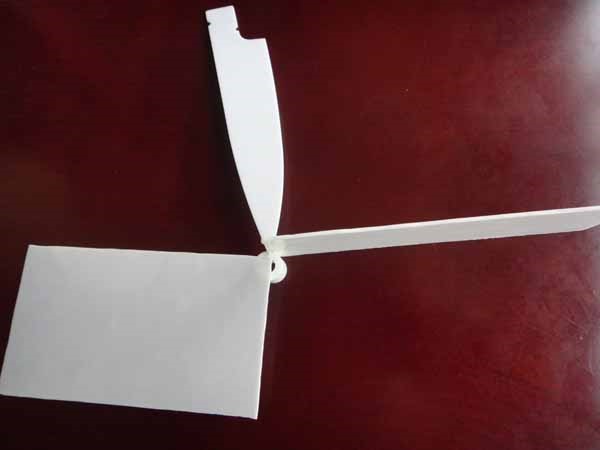
Ceramic components for electrical insulation, electronic packaging and precision applications.
Learn More →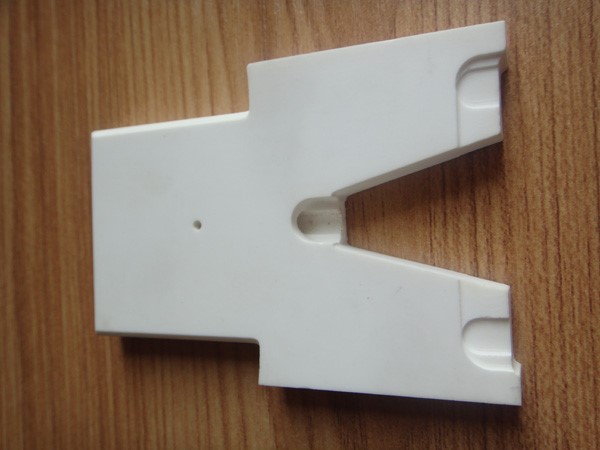
Precision ceramic components for mechanical systems and industrial equipment.
Learn More →Typical engineering properties of representative aluminum nitride ceramic grades.
| Properties | Unit | AlN 140 | AlN 180 |
|---|---|---|---|
| Density | g/cm³ | 3.24 | 3.30 |
| Flexural Strength | MPa | 350 | >300 |
| Young's Modulus | GPa | 310 | 310 |
| Compressive Strength | GPa | 2.1 | >2.0 |
| Fracture Toughness | MPa·m¹/² | 3.35 ± 0.2 | 3.35 ± 0.2 |
| Thermal Conductivity | W/mK | 140 ± 10 | 180 ± 10 |
| Specific Heat | J/kg·K | 738 ± 20 | 738 ± 20 |
| CTE (RT–100°C) | 10⁻⁶/K | 3.6 | 3.6 |
| CTE (RT–300°C) | 10⁻⁶/K | 4.6 | 4.6 |
| CTE (RT–500°C) | 10⁻⁶/K | 5.2 | 5.2 |
| CTE (RT–1000°C) | 10⁻⁶/K | 5.6 | 5.6 |
| Properties | Unit | AlN 140 | AlN 180 |
|---|---|---|---|
| Dielectric Constant (1 MHz) | εr | 8.6 | 8.6 |
| Dielectric Loss | tan δ | 0.5 × 10⁻³ | 0.5 × 10⁻³ |
| Volume Resistivity | Ω·cm | >10¹² | >10¹² |
| Dielectric Strength (1.5 mm) | kV | ≥25 | ≥20 |
Note: The above values are representative data from published commercial aluminum nitride material specifications. Actual properties may vary depending on material formulation, manufacturing process, component geometry and test conditions. Please confirm the applicable specifications before engineering use.
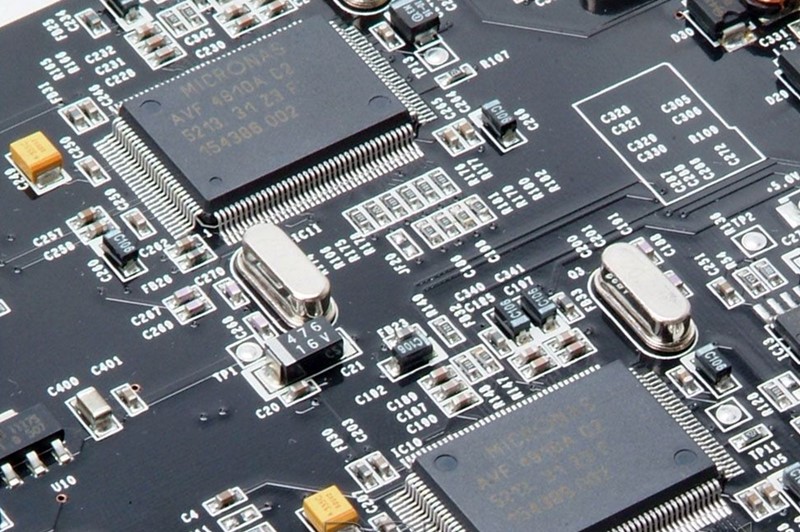
Aluminum nitride ceramic components are used in applications requiring efficient heat dissipation, electrical insulation and stable performance.

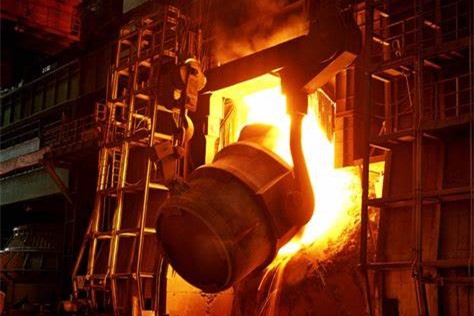
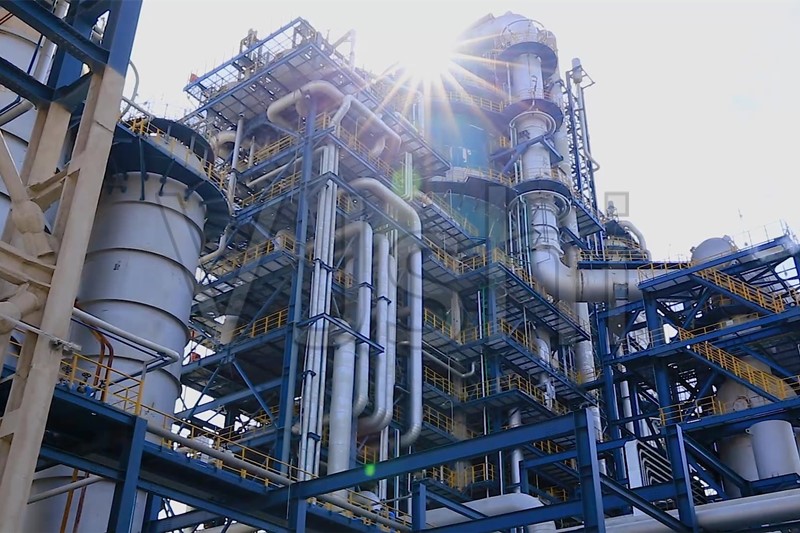
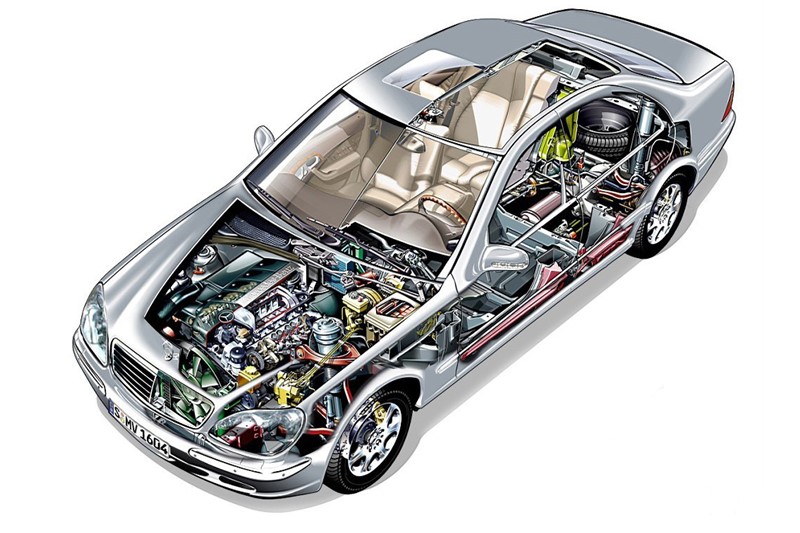

A controlled production process helps achieve the required material properties, dimensional accuracy and component quality.
Selection and preparation of aluminum nitride ceramic powder.
Shaping the ceramic material according to the required geometry.
Controlled sintering to achieve the required density and properties.
Grinding and finishing to achieve specified dimensions and tolerances.
Dimensional and material property verification.
Material selection and component requirements can be evaluated according to thermal, electrical and dimensional application needs.
Evaluation of aluminum nitride grades according to thermal and electrical requirements.
Review of component drawings, geometries and application requirements.
Evaluation of machining and finishing requirements for precision ceramic parts.
Technical specification and dimensional inspection requirements can be reviewed for individual projects.
Learn more about aluminum nitride ceramic materials and their applications.
*The typical properties shown above are for reference only and may vary depending on material grade, manufacturing process, component dimensions and test conditions. The values are not guaranteed product specifications. Please contact us to confirm the technical requirements for your application.