English
Aluminum titanate is an advanced ceramic material characterized by its very low coefficient of thermal expansion, low thermal conductivity and excellent thermal shock resistance. It is suitable for high-temperature applications where resistance to rapid temperature changes is required.

Aluminum titanate ceramic, also known as aluminum titanium oxide, is an advanced ceramic material with the chemical formula Al₂TiO₅. It is valued for its exceptionally low thermal expansion and ability to withstand rapid temperature changes.
Compared with many conventional ceramic materials, aluminum titanate has a low coefficient of thermal expansion and relatively low thermal conductivity. These characteristics make it suitable for components exposed to repeated heating and cooling cycles.
Aluminum titanate is used in selected high-temperature industrial applications where thermal insulation and thermal shock resistance are important material requirements.
Aluminum titanate ceramics are selected for applications requiring low thermal expansion, thermal insulation and resistance to rapid temperature changes.
An extremely low coefficient of thermal expansion helps reduce dimensional changes during temperature fluctuations.
Excellent resistance to rapid temperature changes makes the material suitable for demanding thermal cycling conditions.
With a listed maximum working temperature of 1,600°C, aluminum titanate can be considered for selected high-temperature applications.
Low thermal conductivity helps limit heat transfer and supports thermal insulation applications.
The listed porosity and average pore size indicate a porous ceramic structure suitable for applications where this material characteristic is required.
With a listed density of 3.2 g/cm³, aluminum titanate offers a relatively low-density option for selected ceramic components.
Aluminum titanate (Al₂TiO₅) combines low thermal expansion, thermal shock resistance and high-temperature capability. The following values represent the material data provided for this ceramic.
An advanced ceramic material for high-temperature environments and applications involving rapid temperature changes.
Explore VANCERA's ceramic product categories for industrial, structural, electronic and high-temperature applications. Customized shapes and dimensions can be discussed according to project requirements.
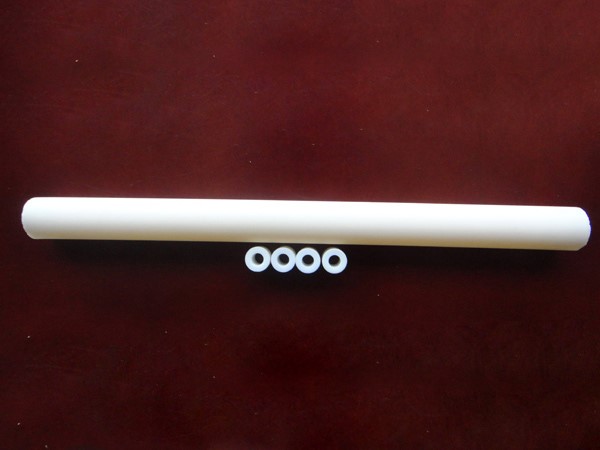
Ceramic tubes for high-temperature processes, thermal protection and industrial applications.
Learn More →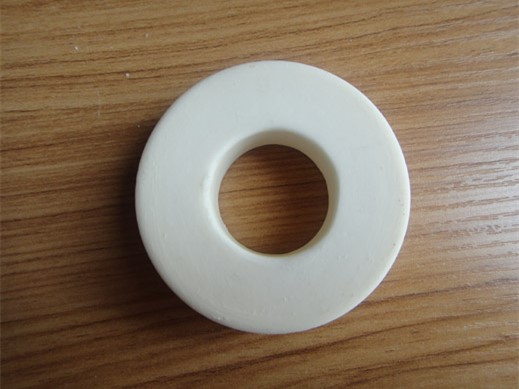
Ceramic sealing components for industrial equipment and specialized operating environments.
Learn More →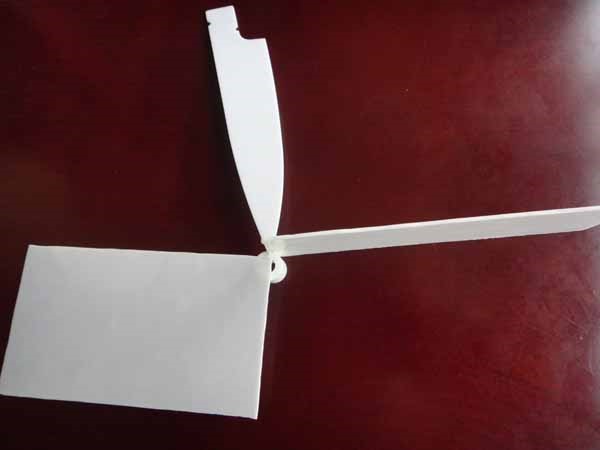
Precision ceramic components for electronic equipment and specialized engineering applications.
Learn More →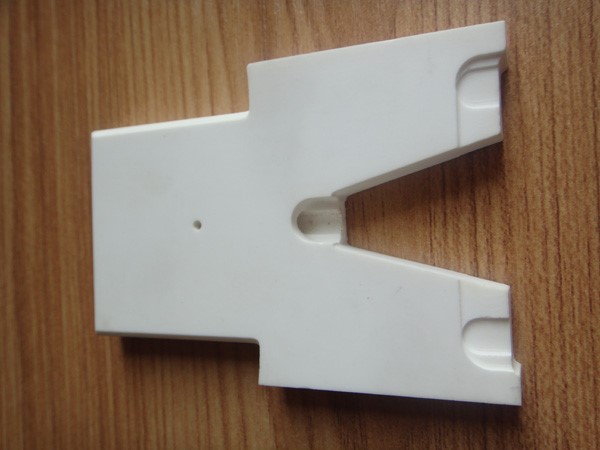
Precision ceramic components for mechanical systems and industrial equipment.
Learn More →Typical engineering properties of aluminum titanate (Al₂TiO₅) ceramic material.
| Properties | Value | Unit |
|---|---|---|
| Color | Gray / White | - |
| Density | 3.2 | g/cm³ |
| Porosity | 15 | % |
| Average Pore Size | 100 | nm |
| Bending Strength | 40 | MPa |
| Compressive Strength | 80 | MPa |
| Elastic Modulus | 20 | GPa |
| Vickers Hardness | 300 | HV0.5 |
| Coefficient of Linear Thermal Expansion | <1 | 10⁻⁶ K⁻¹ |
| Thermal Conductivity (20°C) | 1.5 | W/mK |
| Thermal Shock Resistance (Put in Water) | 1,300 | ΔT °C |
| Maximum Working Temperature | 1,600 | °C |
| Properties | Value | Unit |
|---|---|---|
| Volume Resistance at 20°C | - | Ω·cm |
| Dielectric Strength | - | V/m |
| Dielectric Constant | - | εr |
| Dielectric Loss Angle at 1 MHz, 20°C | - | tanδ |
| Test Conditions | Value | Unit |
|---|---|---|
| Nitric Acid (60%), 90°C | - | WT Loss mg/cm²/day |
| Sulphuric Acid (95%), 95°C | - | WT Loss mg/cm²/day |
| Caustic Soda (30%), 80°C | - | WT Loss mg/cm²/day |
Note: The chart is intended to illustrate typical properties of aluminum titanate ceramic (Al₂TiO₅). Engineering data is representative. Property values may vary depending on the manufacturing method, component size, shape and test conditions. Electrical and chemical characteristic values were not provided in the referenced material data. Please confirm actual specifications before engineering use.
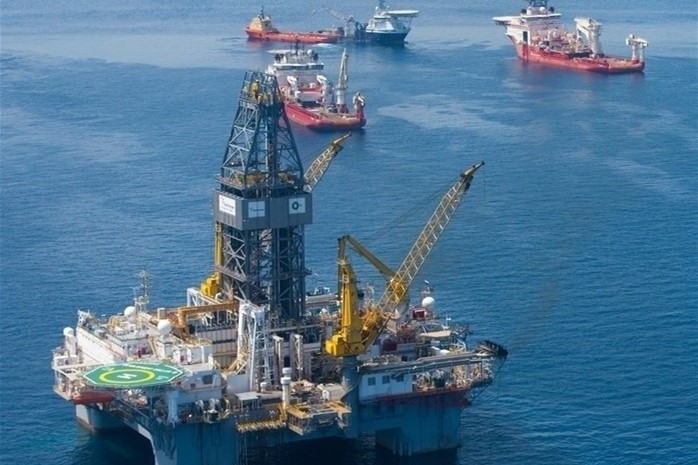
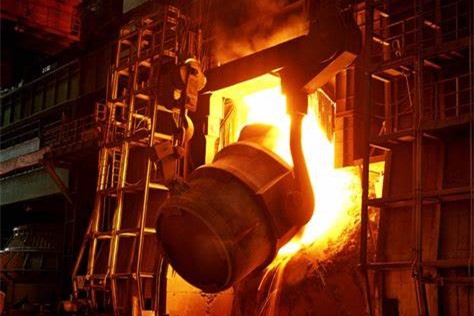
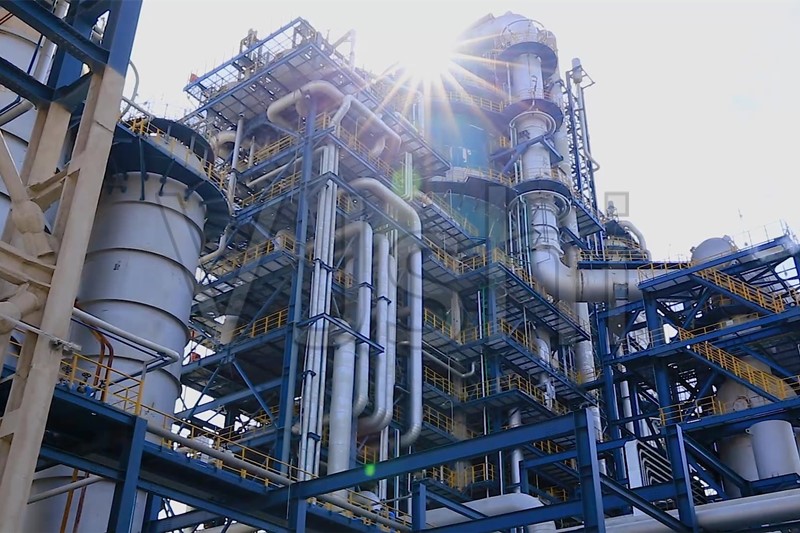
With its low thermal expansion and excellent thermal shock resistance, aluminum titanate is suitable for selected high-temperature industrial environments.
Ceramic component production involves a series of material preparation, forming, firing and finishing operations to achieve the required shape and dimensions.
Raw material selection and ceramic powder processing.
Shaping the ceramic material according to component requirements.
Controlled firing and ceramic densification.
Grinding and finishing to achieve required dimensions.
Dimensional and material quality verification.
From material selection to component finishing, ceramic manufacturing solutions can be evaluated according to individual application and drawing requirements.
Material selection based on thermal expansion, temperature and application requirements.
Ceramic component geometries and dimensions based on customer drawings.
Grinding and finishing processes for ceramic components requiring dimensional accuracy.
Material and dimensional inspection to support product consistency.
Learn more about aluminum titanate ceramic materials, properties and applications.