
English
Steatite ceramic is an electrical insulating material known for its good mechanical strength, low thermal conductivity and high-temperature resistance. It is suitable for electrical insulation components and a range of industrial ceramic applications.
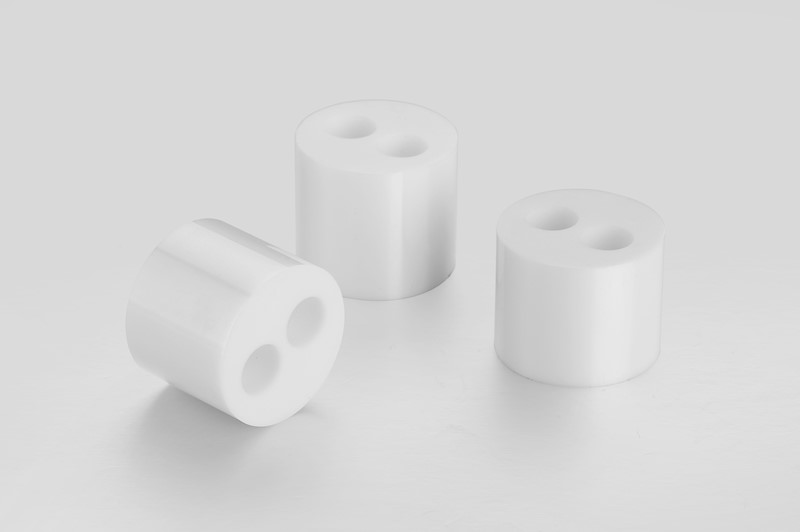
Steatite is a technical ceramic material commonly used in applications that require electrical insulation and stable performance under elevated temperatures. It is also known as magnesium silicate ceramic.
Steatite ceramic combines good mechanical strength with electrical insulating properties. The supplied material data indicates a bending strength of 140 MPa, compressive strength of 900 MPa and volume resistance greater than 10¹¹ Ω·cm at 20°C.
With a maximum working temperature of 1,200°C and thermal conductivity of 2 W/mK, steatite can be considered for selected electrical, electronic and industrial ceramic components.
Steatite ceramic offers a combination of electrical, mechanical and thermal characteristics for applications where insulation and reliable material performance are important.
High volume resistance and dielectric strength make steatite suitable for electrical insulating components.
The material has a reported bending strength of 140 MPa and compressive strength of 900 MPa.
Steatite has a listed maximum working temperature of up to 1,200°C, depending on operating conditions.
A listed thermal conductivity of 2 W/mK makes the material suitable for applications requiring limited heat transfer.
The supplied data lists a dielectric constant of 6 and a dielectric loss angle of 1.2 at 1 MHz and 20°C.
Steatite can be considered for shaped ceramic components used in electrical and industrial equipment.
Steatite ceramic is characterized by its electrical insulating properties, mechanical strength and thermal performance. The following values summarize selected properties from the supplied engineering data.
Steatite offers mechanical strength for ceramic components used in industrial and electrical applications.
The material data includes thermal expansion, thermal conductivity and maximum working temperature values.
Steatite's electrical characteristics support its use in insulating components and electrical equipment.
Steatite material can be considered for different ceramic component forms used in electrical, electronic and industrial equipment. Explore related ceramic product categories below.
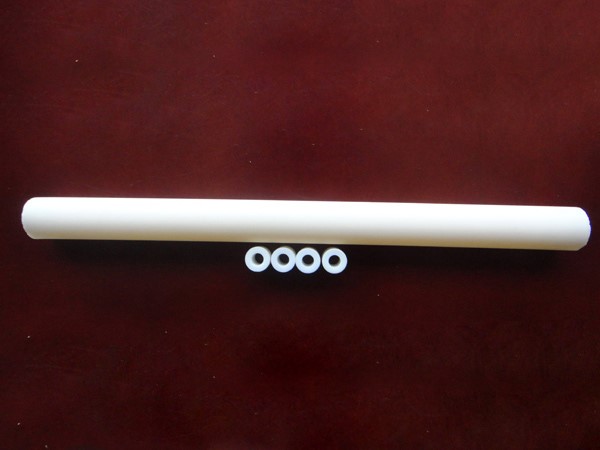
Ceramic tube components for electrical insulation and industrial equipment applications.
Learn More →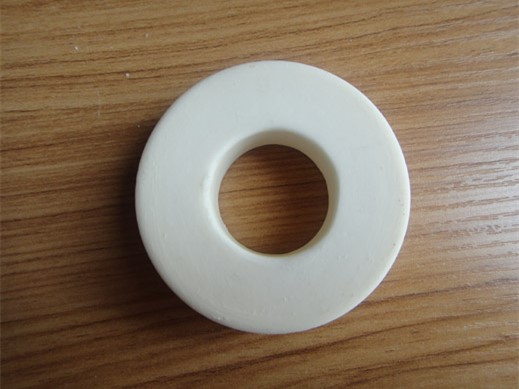
Ceramic sealing components for selected mechanical and industrial equipment.
Learn More →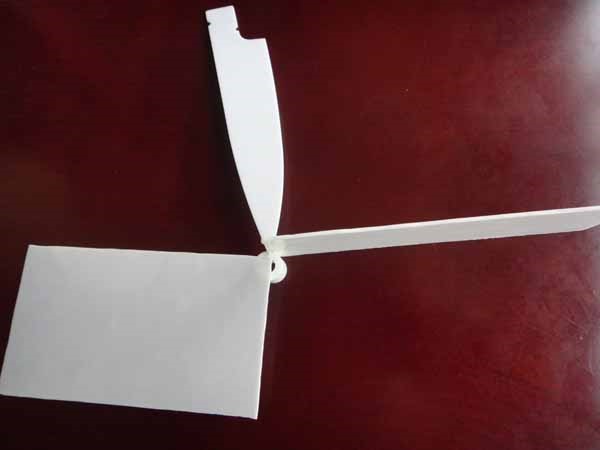
Ceramic components for electronic equipment and electrical insulation applications.
Learn More →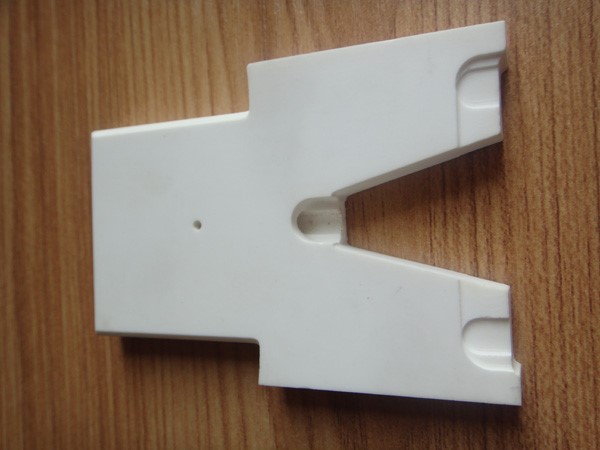
Shaped ceramic components for mechanical systems and industrial equipment.
Learn More →Typical engineering properties of steatite ceramic, including mechanical, thermal, electrical and chemical characteristics.
| Properties | Unit | Steatite |
|---|---|---|
| Colour | - | White |
| Density | g/cm³ | 2.7 |
| Bending Strength | MPa | 140 |
| Compressive Strength | MPa | 900 |
| Elastic Modulus | GPa | 110 |
| Fracture Toughness | MPa·m¹/² | - |
| Weber Coefficient | M | - |
| Vickers Hardness | HV0.5 | - |
| Coefficient of Linear Thermal Expansion | 10⁻⁶ K⁻¹ | 7–9 |
| Thermal Conductivity | W/mK | 2 |
| Thermal Shock Resistance (Put in Water) | ΔT°C | 100 |
| Max Working Temperature | °C | 1,200 |
| Properties | Unit | Steatite |
|---|---|---|
| Volume Resistance at 20°C | Ω·cm | >10¹¹ |
| Dielectric Strength | V/m | 20 × 10⁶ |
| Dielectric Constant | εr | 6 |
| One MHz Dielectric Loss Angle at 20°C | tanδ | 1.2 |
| Test Conditions | Value | Unit |
|---|---|---|
| Nitric Acid (60%), 90°C | - | WT Loss mg/cm²/day |
| Sulphuric Acid (95%), 95°C | - | WT Loss mg/cm²/day |
| Caustic Soda (30%), 80°C | - | WT Loss mg/cm²/day |
Note: The chart is intended to illustrate typical properties of steatite ceramic. Engineering data is representative. Property values may vary depending on the method of manufacture, dimensions and shape of the part. Chemical test values are not provided in the available data. Please confirm specifications and test conditions before engineering use.
With its electrical insulation, mechanical and thermal characteristics, steatite ceramic can be considered for components used in electrical, electronic and industrial environments.

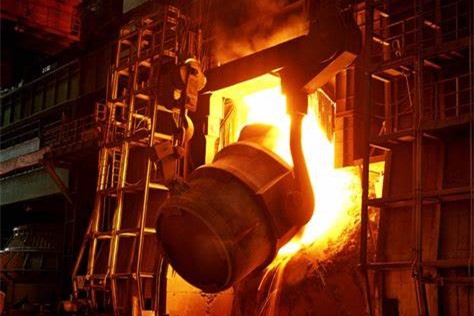
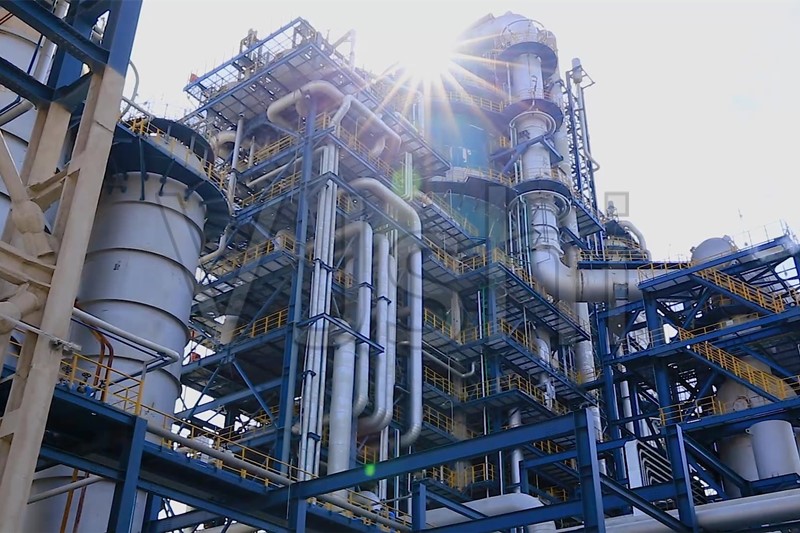
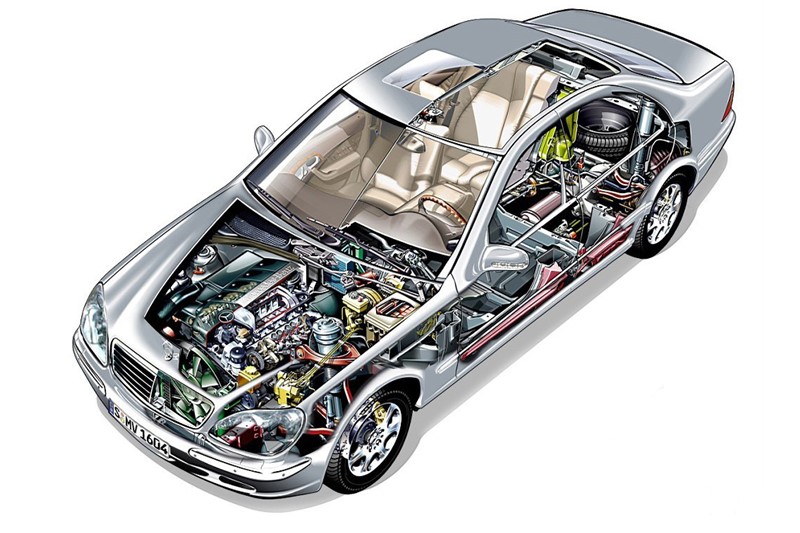
Ceramic component production generally involves material preparation, forming, firing and finishing processes. The actual process depends on the component design and technical requirements.
Preparation and processing of ceramic raw materials.
Shaping the ceramic material according to the required geometry.
Firing and densification of the formed ceramic body.
Grinding and finishing to achieve specified dimensions.
Inspection of dimensions and relevant material properties.
Selecting a suitable ceramic component requires consideration of material properties, geometry, dimensions and the operating environment.
Review of steatite material characteristics against application requirements.
Component requirements can be evaluated according to drawings and dimensions.
Consideration of component geometry, dimensions and tolerances.
Review of electrical, mechanical and thermal requirements for the intended application.
Learn more about steatite ceramic properties, electrical insulation and potential applications.