
English
High-performance zirconia ceramic engineered for excellent fracture toughness, high mechanical strength, outstanding hardness and reliable dimensional performance. 3Y-TZP is a tetragonal zirconia polycrystal with a balanced combination of mechanical properties for demanding room-temperature applications.

Yttria Stabilized Zirconia is a zirconium oxide ceramic modified with yttria (Y₂O₃) to improve and control the properties of zirconia. The amount of stabilizer is selected according to the performance requirements of the application.
Zirconia containing approximately 2–4 mol% yttria is known as Tetragonal Zirconia Polycrystal (TZP). Within this material family, 3Y-TZP is recognized for its excellent combination of mechanical properties at room temperature. Its outstanding fracture toughness has earned it the name "ceramic steel."
VANCERA's published 3Y-TZP data lists a density of 6.02 g/cm³, bending strength of 800 MPa and Vickers hardness of 1,150 HV 0.5. These characteristics make it a candidate material for demanding precision ceramic components.
3Y-TZP stands out among engineering ceramics for its combination of toughness, strength and hardness. These properties make it suitable for components that need to withstand demanding mechanical conditions.
The tetragonal zirconia structure gives TZP its notable resistance to crack propagation, helping improve the reliability of ceramic components under mechanical stress.
With a published bending strength of 800 MPa and compressive strength of 3,000 MPa, 3Y-TZP supports applications involving substantial mechanical loads.
A thermal conductivity below 2 W/mK and a thermal shock resistance stability value of 270°C are listed in VANCERA's technical data.
The listed volume resistance exceeds 10¹⁰ Ω·cm at 20°C. This value provides a reference when evaluating the material's electrical behavior.
A Vickers hardness of 1,150 HV 0.5 gives 3Y-TZP a hard ceramic surface for precision components exposed to contact and mechanical loading.
The compressive strength value of 3,000 MPa and elastic modulus of 205 GPa make 3Y-TZP a strong and stiff material for engineered ceramic parts.
The yttria content changes the stabilized zirconia structure and its functional characteristics. The appropriate composition depends on whether the application requires mechanical performance or high-temperature ionic conductivity.
3Y-TZP belongs to the tetragonal polycrystal zirconia family, generally described as zirconia stabilized with approximately 2–4 mol% yttria. It is selected for its excellent integrated mechanical properties and fracture toughness at room temperature.
Tetragonal Polycrystal Zirconia covers the yttria-stabilized zirconia composition range identified by VANCERA. Its main distinguishing feature is the combination of mechanical properties and fracture toughness at room temperature.
YSZ with approximately 4–8 mol% yttria is described as fully stabilized zirconia. Unlike the 3Y-TZP mechanical grade, this composition is noted for ionic electrical conductivity above 600°C and is used in selected electrochemical applications.
VANCERA manufactures customized advanced ceramic components for different industrial requirements. Zirconia components can be designed around the working conditions, drawings and dimensional requirements of each project.
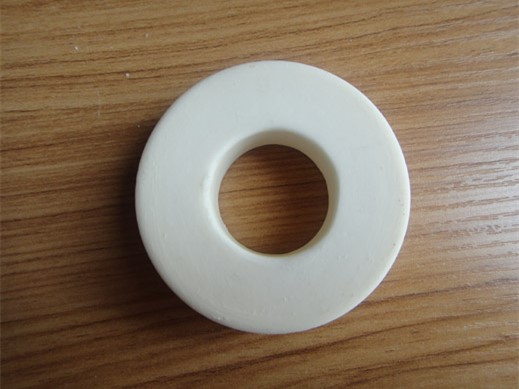
Precision ceramic sealing components for mechanical systems. Material selection can be evaluated according to load, contact conditions and operating environment.
Learn More →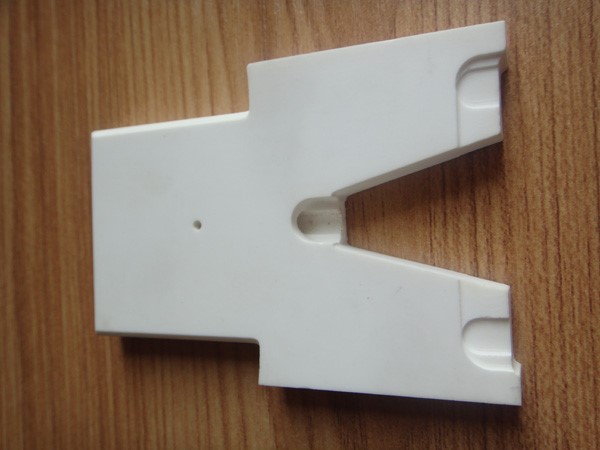
Engineered ceramic components for mechanical equipment, where strength, stiffness and dimensional requirements are important.
Learn More →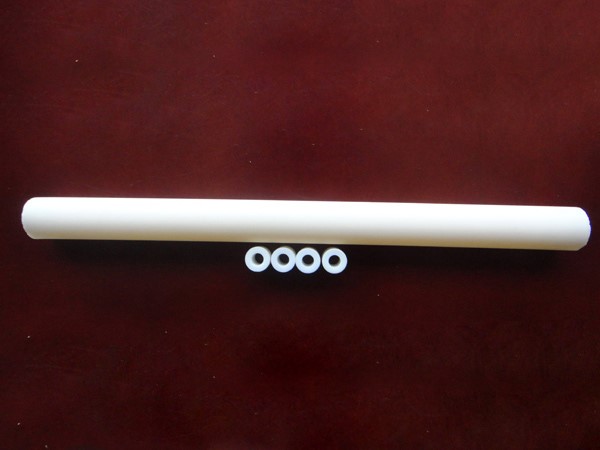
Ceramic balls for precision and industrial equipment. The suitable zirconia composition should be confirmed against the application's operating conditions.
Learn More →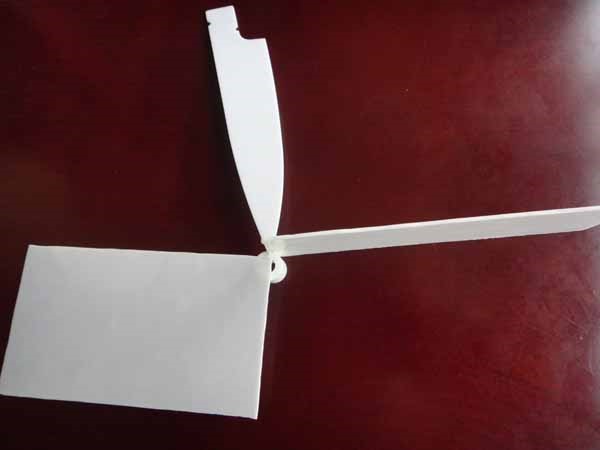
Non-standard ceramic parts made to customer drawings, including customized shapes and dimensions for specific equipment and processes.
Learn More →Typical engineering properties of VANCERA Yttria Stabilized Zirconia (3Y-TZP).
| Properties | Unit | 3Y-TZP |
|---|---|---|
| Color | - | White |
| Density | g/cm³ | 6.02 |
| Bending Strength | MPa | 800 |
| Compressive Strength | MPa | 3,000 |
| Elastic Modulus | GPa | 205 |
| Shock Strength | MPa·m¹/² | 8 |
| Weber Coefficient | m | 15 |
| Vickers Hardness | HV 0.5 | 1,150 |
| Thermal Expansion Coefficient | 10⁻⁶ K⁻¹ | 10 |
| Thermal Conductivity | W/mK | < 2 |
| Thermal Shock Resistance Stability | ΔT °C | 270 |
| Maximum Working Temperature | °C | 1,000 |
| Properties | Unit | 3Y-TZP |
|---|---|---|
| Volume Resistance at 20°C | Ω·cm | >10¹⁰ |
| Electrolyte Strength | kV/mm | Not specified |
| Dielectric Constant | εr | Not specified |
| Dielectric Loss Angle at 1 MHz, 20°C | tanδ | Not specified |
| Properties | 3Y-TZP |
|---|---|
| Chemical Resistance Test Data | Not provided in the referenced material data |
Note: The source lists dashes for electrolyte strength, dielectric constant and dielectric loss angle; no numerical values are provided for these properties. It also does not provide chemical resistance test results for 3Y-TZP. The source uses the terms "Shock Strength" and "Weber Coefficient", which are retained here without changing their technical definitions. Engineering data are representative. Actual properties may vary depending on manufacturing methods, dimensions, shape and test conditions. Please confirm specifications before engineering use.
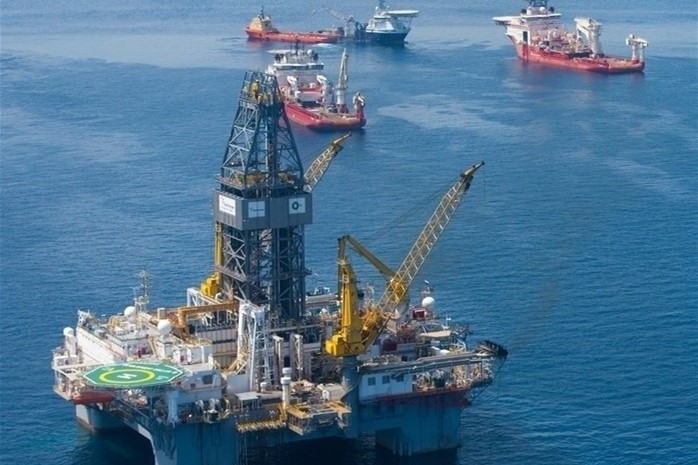
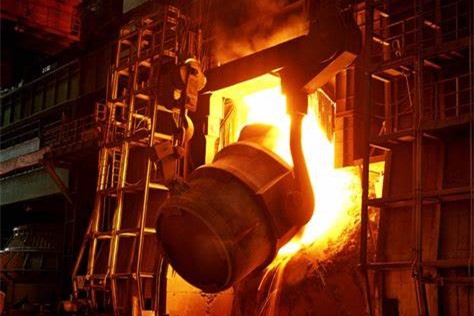
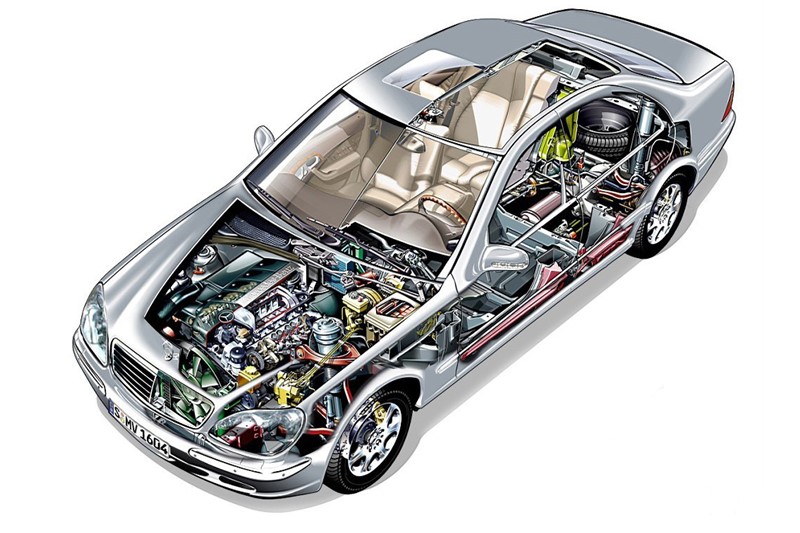
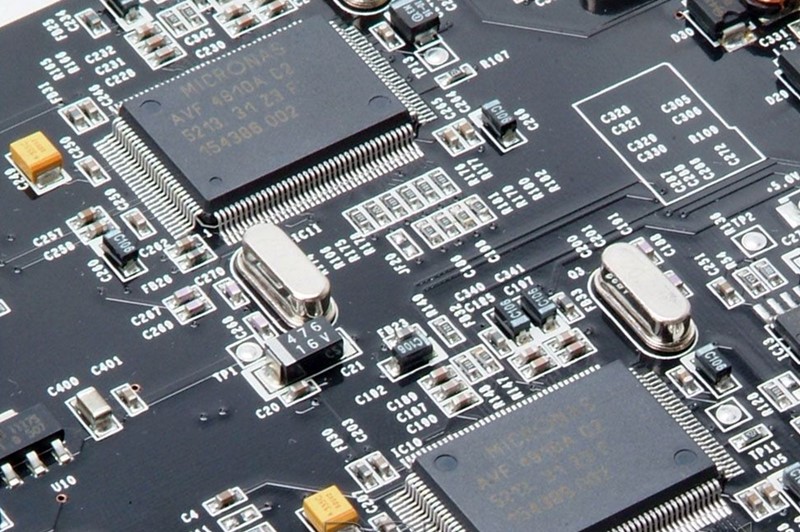
With its high strength and fracture toughness, 3Y-TZP is suited to engineering applications where mechanical performance is a priority. VANCERA supplies advanced ceramic components for a range of industrial markets.

Producing a consistent zirconia component requires control over raw materials, forming, sintering and finishing. The manufacturing route is selected according to the component design and required tolerances.
Select zirconia raw materials and yttria stabilizer, then prepare the ceramic powder for subsequent processing.
Shape the prepared ceramic material using a forming method suited to the required component geometry.
Apply a controlled firing process to densify the formed zirconia body and develop its ceramic structure.
Use suitable grinding and finishing operations to achieve the required dimensions and surface condition.
Check the finished component against the agreed dimensional and material requirements.
VANCERA works with customers to identify suitable advanced ceramic materials and manufacture components around their drawings, dimensions and operating requirements.
Support material selection between zirconia ceramic options according to mechanical performance and application conditions.
Manufacture non-standard ceramic components based on customer drawings, dimensions and technical requirements.
Apply suitable ceramic grinding and finishing processes to meet specified component geometry and dimensional tolerances.
Inspect material and dimensional characteristics to support consistent quality in finished ceramic components.
Find answers to common questions about Yttria Stabilized Zirconia (3Y-TZP), its material properties and industrial applications.