
English
Advanced zirconia ceramic materials known for high strength, excellent fracture toughness, outstanding wear resistance, corrosion resistance and reliable performance in demanding industrial environments.
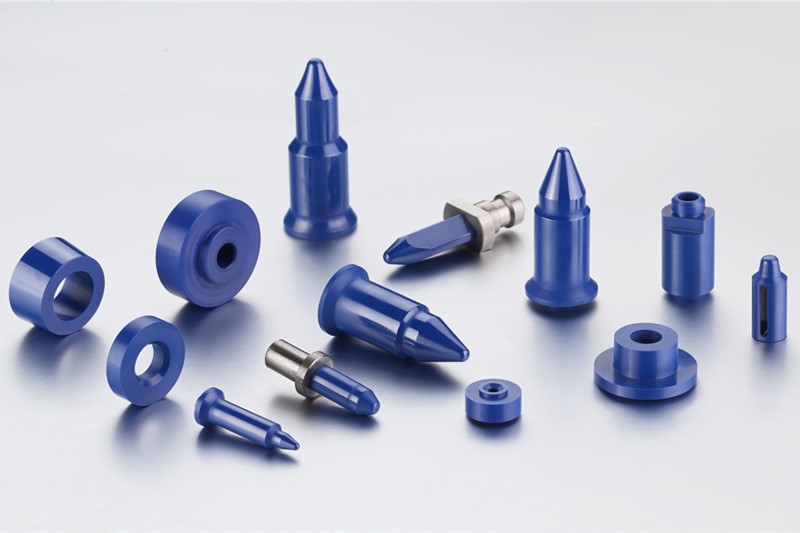
Zirconia ceramic, also known as zirconium dioxide ceramic (ZrO₂), is an advanced oxide ceramic used in applications that require high mechanical strength, fracture toughness, wear resistance and chemical stability.
Through the addition of stabilizers such as yttria or magnesia, zirconia can be produced in different material forms, including partially stabilized zirconia and tetragonal zirconia polycrystal (TZP). These grades offer a useful balance of strength, toughness and dimensional stability.
VANCERA focuses on zirconia ceramic production and customized OEM solutions for machinery, electronics, medical, automotive and other industrial applications.
Zirconia combines high strength and toughness with wear resistance and chemical stability, making it suitable for demanding precision and industrial components.
High flexural and compressive strength support reliable performance in load-bearing and precision components.
Transformation toughening helps zirconia resist crack initiation and propagation compared with many conventional oxide ceramics.
High hardness and strength provide good resistance to abrasion, friction and repeated mechanical contact.
Zirconia offers good chemical stability in many corrosive environments; suitability depends on media and operating conditions.
Relatively low thermal conductivity makes zirconia useful for selected thermal barrier and heat-management applications.
Selected high-purity zirconia grades are used in dental and medical applications where material qualification is required.
Zirconia properties vary with stabilizer content, microstructure and processing. The following are common material families; exact grades and specifications should be confirmed for each project.
Yttria-stabilized tetragonal zirconia polycrystal offering high strength and fracture toughness for wear-resistant and structural parts.
Higher-yttria partially stabilized zirconia with increased cubic phase content, often selected for translucency and optical applications.
Magnesia-partially stabilized zirconia used in selected structural and high-temperature applications requiring toughness and thermal stability.
Zirconia is used to manufacture precision components for wear, sealing, fluid handling, medical and industrial applications. Customized shapes and dimensions may be specified according to project requirements.
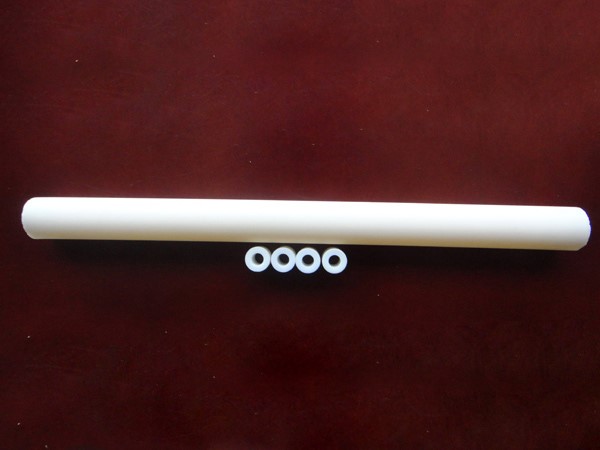
Wear-resistant and corrosion-resistant ceramic tubes for selected fluid handling and industrial applications.
Learn More →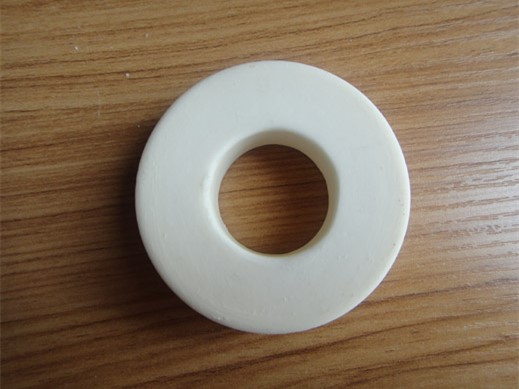
Zirconia sealing components for applications requiring wear resistance, strength and chemical stability.
Learn More →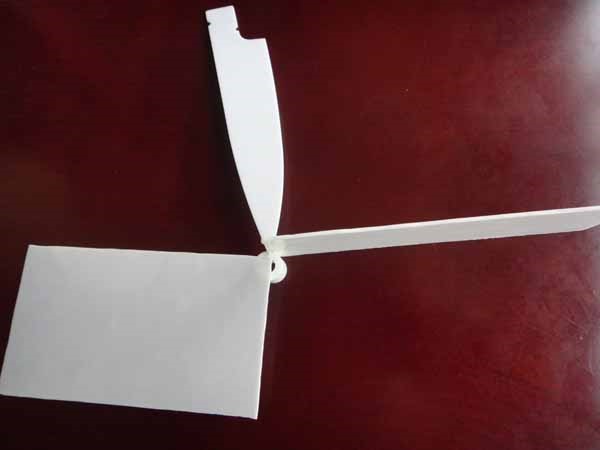
Precision zirconia components for selected electronic, instrumentation and insulating applications.
Learn More →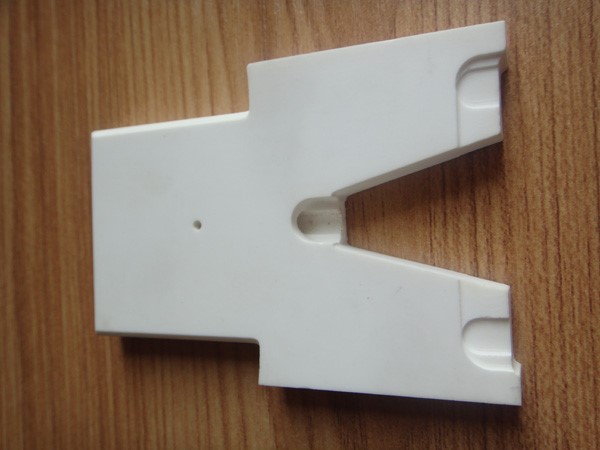
High-strength zirconia components for machinery, precision equipment and demanding mechanical systems.
Learn More →Representative properties for common zirconia ceramic grades. Values vary with composition, stabilizer content, manufacturing process and test method.
| Properties | Unit | 3Y-TZP | 5Y-PSZ | Mg-PSZ |
|---|---|---|---|---|
| Color | - | White | White / Translucent | White / Ivory |
| Density | g/cm³ | 6.0–6.1 | 6.0–6.1 | 5.6–5.8 |
| Flexural Strength | MPa | 800–1200 | 500–800 | 400–700 |
| Compressive Strength | MPa | 2000–2500 | 1500–2000 | 1500–2000 |
| Elastic Modulus | GPa | 200–210 | 200–210 | 180–210 |
| Fracture Toughness | MPa·m½ | 6–10 | 2–4 | 5–8 |
| Vickers Hardness | HV | 1200–1400 | 1100–1300 | 900–1200 |
| Thermal Expansion Coefficient | 10⁻⁶ K⁻¹ | 10–11 | 10–11 | 10–11 |
| Thermal Conductivity | W/mK | 2–3 | 2–3 | 2–3 |
| Maximum Use Temperature | °C | 800–1000 | 800–1000 | 1000–1500* |
| Properties | Unit | Typical Zirconia |
|---|---|---|
| Volume Resistivity at 20°C | Ω·cm | Grade and humidity dependent |
| Dielectric Strength | kV/mm | Typically 8–15 |
| Dielectric Constant | εr | 20–30 |
| Dielectric Loss | tan δ | Frequency and grade dependent |
| Environment | General Resistance | Notes |
|---|---|---|
| Water and many aqueous solutions | Good | Confirm temperature and concentration |
| Many acids | Good to excellent | Depends on acid type, concentration and temperature |
| Strong alkalis | Grade dependent | Test under actual service conditions |
Note: The figures above are indicative industry reference ranges, not guaranteed VANCERA product specifications. Properties differ by zirconia composition, stabilizer content, microstructure, processing and test conditions. Maximum service temperature is application-dependent; prolonged exposure and thermal cycling may affect performance. Please confirm the required grade and test method before engineering use.
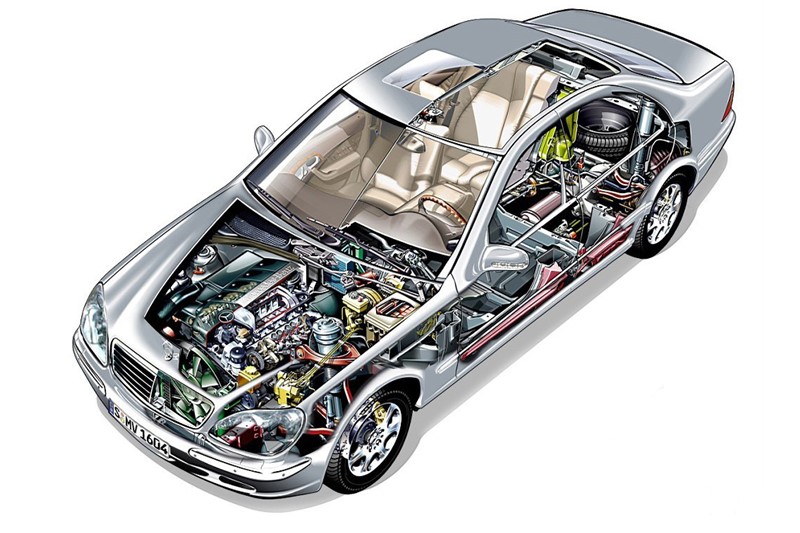
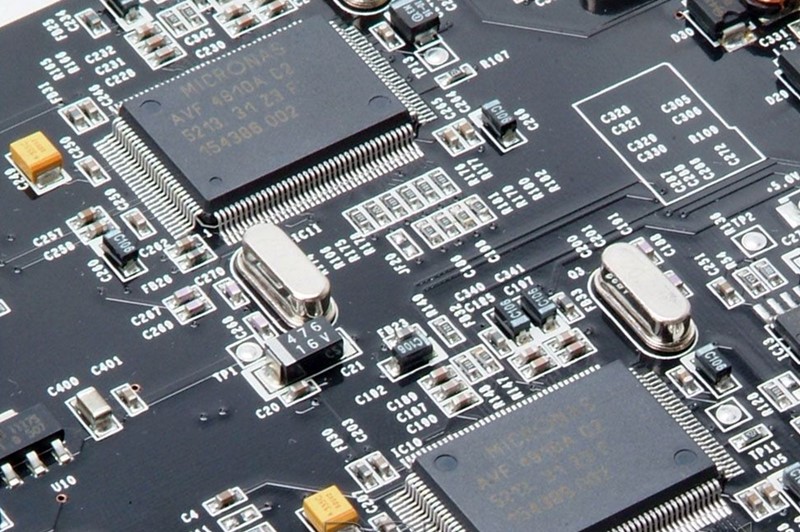
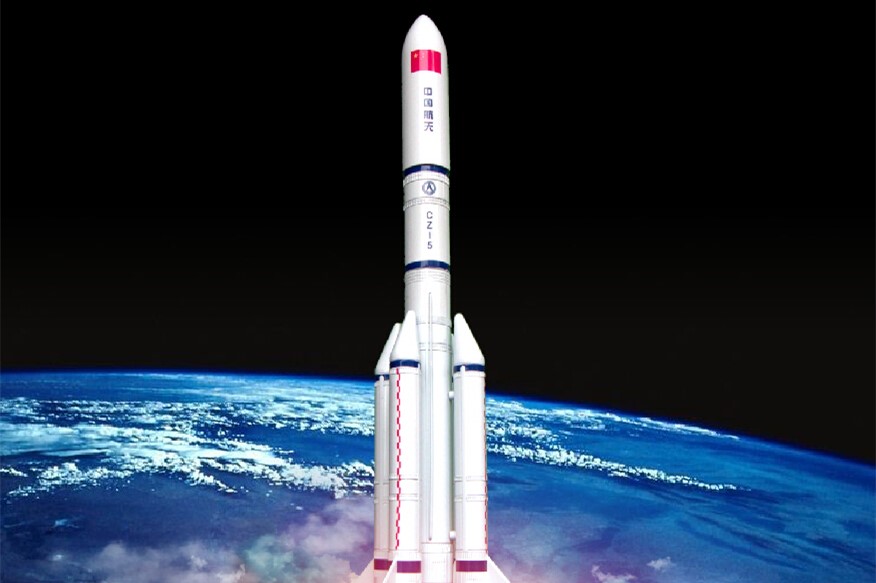
Zirconia ceramic components are used in industries that require a combination of strength, toughness, wear resistance and chemical stability.
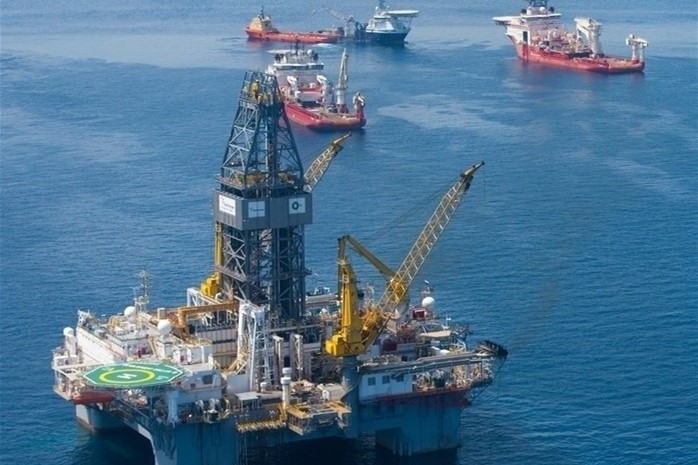
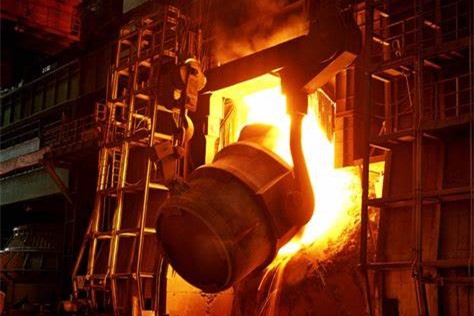
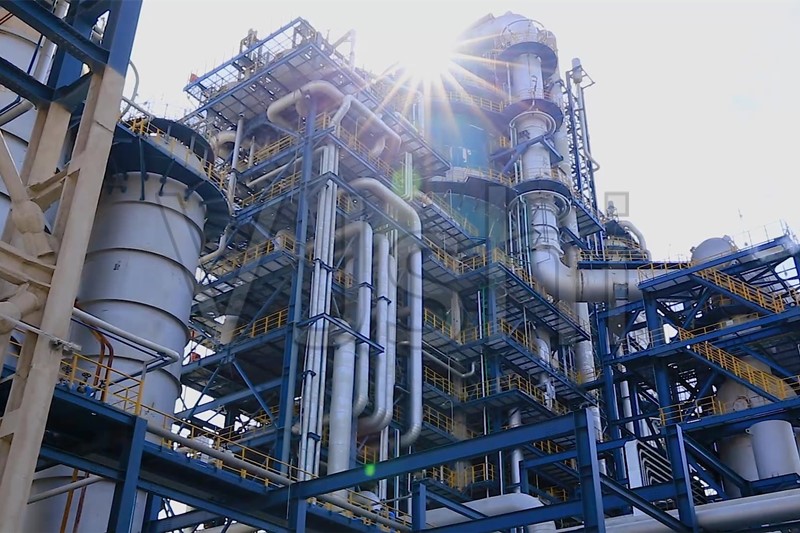
Careful control of powder preparation, forming, sintering and finishing is important for achieving consistent zirconia component quality.
Selection and preparation of zirconia powder and stabilizer composition.
Shaping through suitable pressing, molding or other forming methods.
Controlled high-temperature densification to develop the required microstructure.
Grinding, polishing and finishing to meet dimensional requirements.
Dimensional and material checks according to applicable specifications.
VANCERA provides zirconia ceramic production and customized OEM solutions for different industrial requirements.
Support material selection according to strength, toughness, wear, chemical and operating requirements.
Customized zirconia ceramic components based on customer drawings and project requirements.
Grinding and finishing options for specified dimensions and surface requirements.
Product checks against agreed dimensional and material specifications.
Learn more about zirconia ceramic materials, properties and customized components.